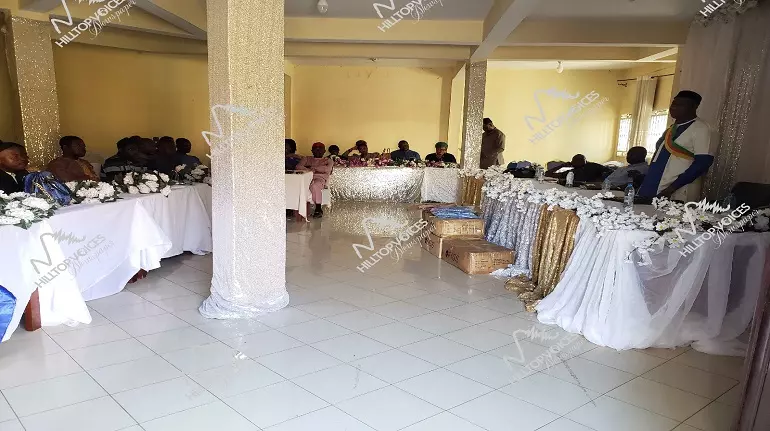
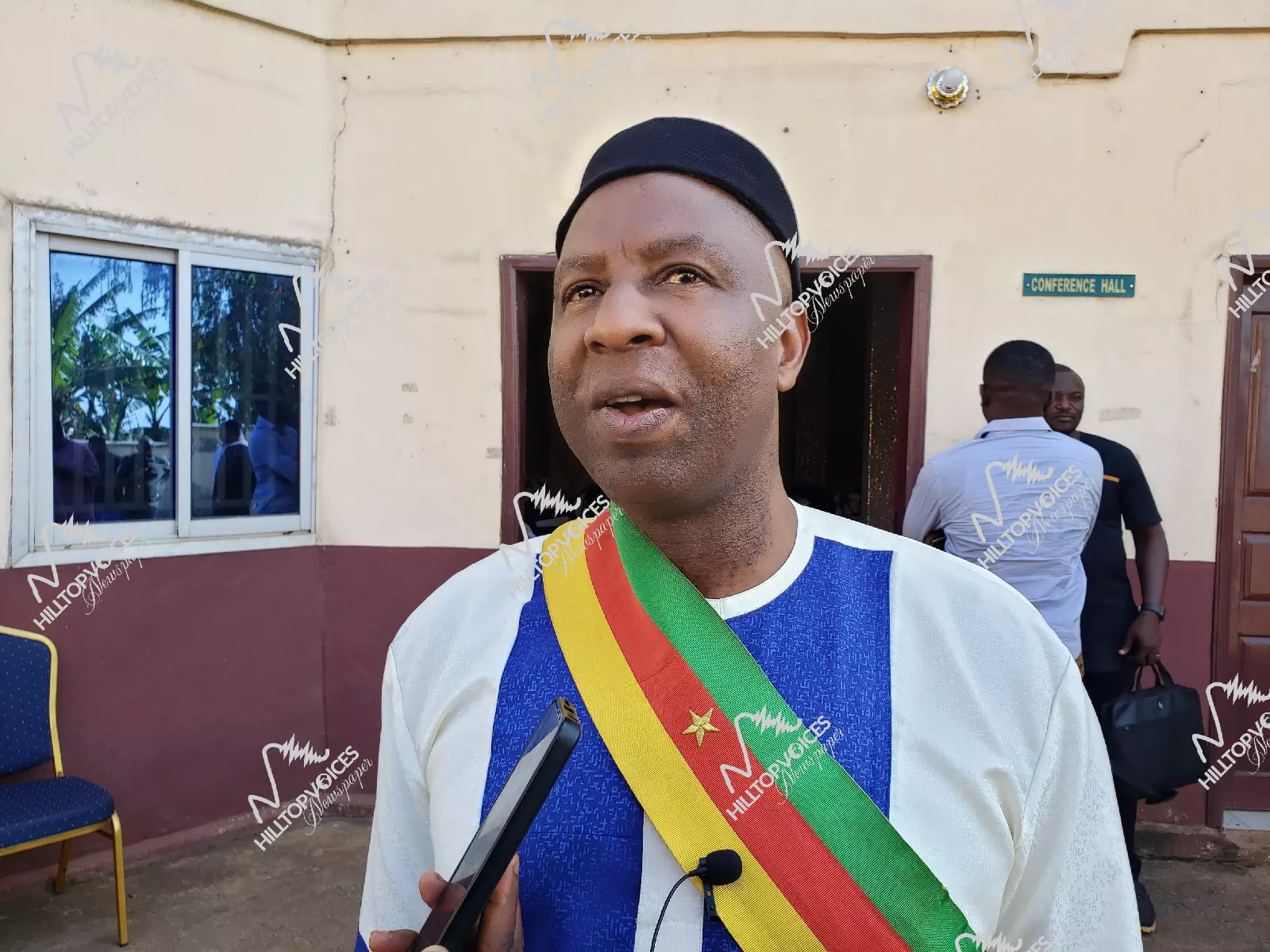
Presiding over the session, Mayor Ihimbru Solomon KUDI highlighted key initiatives aimed at ensuring that PWDs are not left behind in the council’s development agenda.
“We don’t have to treat them separately from the society. If we are preaching inclusion, we have to make them feel normal despite the various challenges they face because others who are physically fit have different mental challenges.” he stressed.
Recognising the challenges PWDs face in accessing public infrastructure, the council plans to rehabilitate older projects to ensure they are disability-friendly. Collaborating with technicians, the council aims to retrofit public buildings and spaces for improved accessibility.
“Our technicians are moving around to propose measures that ensure public buildings are accessible to persons with disabilities,” Mayor Kudi explained.
In addition to infrastructure improvements, the council has integrated PWDs into community programmes such as scholarships and sporting activities. This inclusive approach emphasises the council’s broader goal of promoting equality and unity among its population.
The budget also focuses on education, with provisions for constructing classrooms, awarding scholarships to high-performing students, and equipping teachers and learners. These initiatives aim to create a conducive learning environment, especially for children displaced by the ongoing conflict in the Anglophone regions.
However, funding remains a critical challenge. The council will rely heavily on state allocations to implement these projects, given the difficulties in generating local revenue amidst the region’s instability.
Leave a Reply